
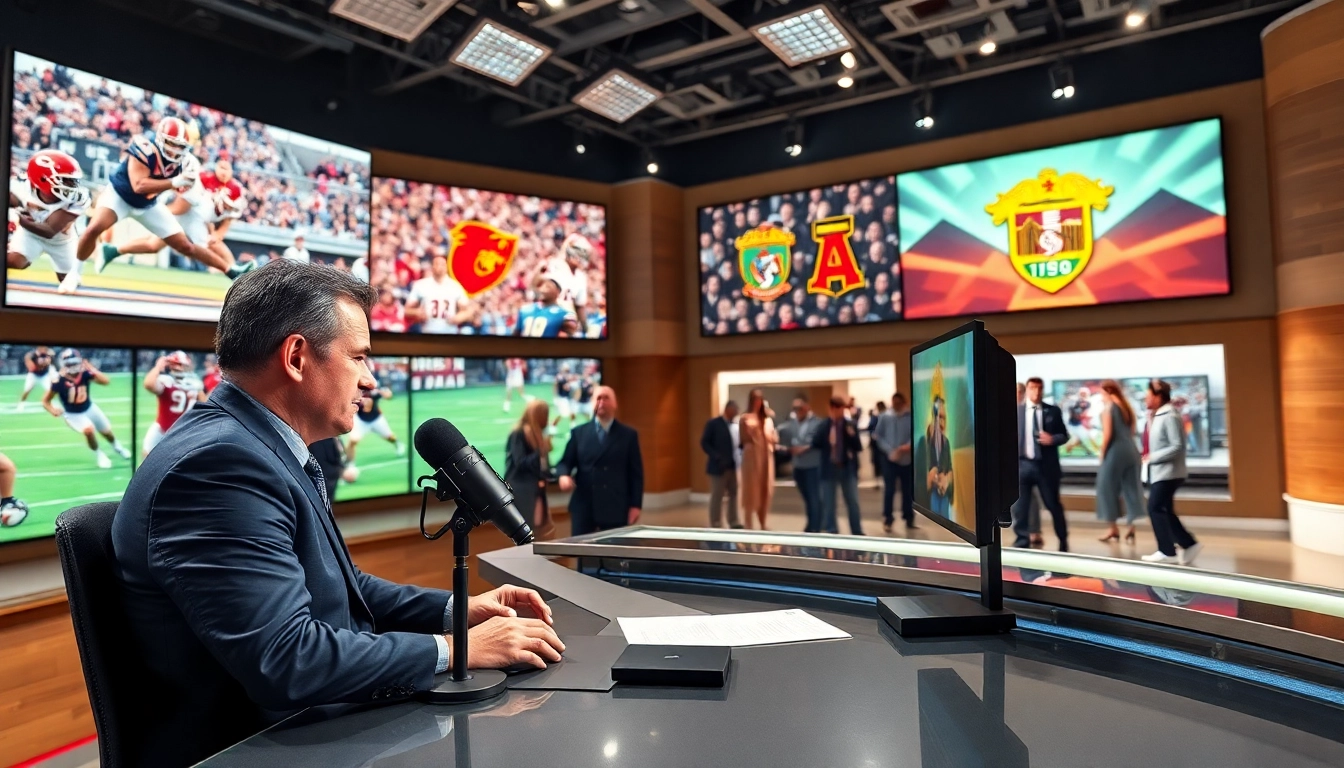
Introduction to Sports Broadcasting
In the fast-paced world of sports, the role of Sports Broadcasting is pivotal. It encompasses the live coverage, analysis, and commentary of sporting events through various media channels, be it television, radio, or online platforms. This article explores the intricate landscape of sports broadcasting, delves into its history and evolution, discusses its significance, highlights emerging technologies, addresses contemporary challenges, and anticipates future trends.
What Is Sports Broadcasting?
Sports broadcasting refers to the live transmission of sporting events to audiences through multiple media platforms. This can include not only the act of broadcasting itself but also the related activities such as commentary, analysis, highlights, and viewer interaction. As a dynamic field, it encompasses a variety of formats, including traditional television and radio, as well as new media platforms such as online streaming services and social media.
The History and Evolution of Sports Broadcasting
The origins of sports broadcasting trace back to the early 20th century, primarily utilizing radio technology. The first sports event transmitted via radio was a boxing match in 1921. With the advent of television in the mid-20th century, broadcasting expanded remarkably. The 1950s saw the introduction of televised sports programming, which transformed the way fans experienced sports.
Technological advancements have played a crucial role in the evolution of sports broadcasting. The introduction of instant replays, multiple camera angles, and graphics has enhanced viewer engagement significantly. As we progressed into the 21st century, the rise of the internet and mobile technology led to a surge in online streaming services, further revolutionizing how audiences consume sporting content.
Key Players in the Sports Broadcasting Industry
The sports broadcasting arena comprises various key players, including television networks, radio stations, digital platforms, and sports leagues themselves. Major television networks often hold exclusive rights to cover significant sporting events, contributing to substantial revenue through advertisements and sponsorships.
In recent years, digital streaming platforms have emerged as formidable competitors, providing viewers with more flexibility and accessibility. Sports leagues have also begun to take control of their broadcasting rights, establishing their own streaming services to reach fans directly, cutting out traditional broadcasters.
The Importance of Sports Broadcasting
Engaging Fans and Building Loyalty
One of the most significant roles of sports broadcasting is engaging fans and cultivating a deep-rooted loyalty. When fans can easily access live coverage, analysis, and highlights of their favorite sports and teams, they are more likely to remain committed and passionate supporters. Engaging content, interactive commentary, and community-building initiatives through social media platforms also contribute to a stronger connection between fans and their favorite sports.
Economic Impact on Sports and Media
Sports broadcasting is a multi-billion dollar industry that significantly contributes to the global economy. It generates revenue not only for networks but also for sports teams, leagues, and related businesses. Broadcast deals are often a key source of funding for teams, and the financial impact extends to advertisements and sponsorships that are integral to the sports ecosystem. The symbiotic relationship between sports and media continues to grow as both sectors adapt to changes in consumer behavior.
Enhancing Accessibility and Inclusivity
Sports broadcasting plays a vital role in enhancing accessibility and inclusivity for fans worldwide. Developments in technology and the expansion of online platforms have made it easier for fans to watch their favorite sports, regardless of geographical limitations. Localized broadcasts, multilingual commentary, and diverse coverage of niche sports cater to a wider audience, ensuring that everyone can enjoy the thrill of sports.
Emerging Technologies in Sports Broadcasting
The Role of Streaming and Digital Media
The rise of streaming services has fundamentally reshaped sports broadcasting. Platforms such as OTT (over-the-top) services provide viewers with the ability to watch live sports on-demand, offering greater flexibility compared to traditional broadcasting. This shift has not only changed how fans consume sports but also how leagues and teams approach their media strategies.
Moreover, data analytics and viewer metrics derived from digital platforms allow broadcasters to tailor content and advertisements based on audience preferences, enhancing the viewing experience further.
Innovations in Broadcasting Equipment
Innovative broadcasting equipment is crucial for delivering high-quality sports coverage. Advances in camera technology, such as ultra-high-definition (UHD) and 360-degree cameras, have elevated the viewing experience dramatically. Drones and robotic cameras offer unique angles and perspectives, delivering immersive highlights and action shots that were previously impossible.
Additionally, improvements in sound quality and graphics software have further enriched broadcasts, creating an engaging and enjoyable viewing atmosphere for fans.
The Impact of Virtual Reality and Augmented Reality
Virtual reality (VR) and augmented reality (AR) technologies have begun to carve a niche within sports broadcasting. These technologies provide an immersive experience, allowing fans to engage with sports in unprecedented ways. VR experiences can simulate being in the stadium, while AR enhances broadcast views with real-time statistics, player profiles, and interactive features. As these technologies continue to develop, they are likely to play a crucial role in the future of sports broadcasting, offering fans a unique and engaging viewing experience.
Challenges Facing Sports Broadcasting Today
Legal Issues and Broadcast Rights
The legal landscape surrounding sports broadcasting can be complex. Broadcast rights are often negotiated for substantial sums, leading to disputes among networks, leagues, and teams. With the evolution of digital media, ensuring compliance with copyright laws and managing distribution rights has become even more challenging. Navigating these legal waters is critical for broadcasters to maintain a competitive edge in the market.
Competition from New Media Platforms
The emergence of new media platforms presents both challenges and opportunities for traditional sports broadcasters. Streaming services like Netflix and Amazon Prime Video have begun to invest in sports content, leading to increased competition for viewership. To maintain relevance, traditional broadcasters must innovate and adapt to the changing preferences of consumers, particularly younger audiences who favor digital content over traditional TV.
Maintaining Viewer Engagement in a Digital Age
As consumer habits evolve, sports broadcasters face the challenge of maintaining viewer engagement. With a vast array of content available, capturing and retaining audience attention is more crucial than ever. Broadcasters need to embrace diverse formats, interactivity, and multi-platform approaches to cater to audience preferences, ensuring that fans continue to engage with their content.
Future Trends in Sports Broadcasting
The Shift Towards Personalized Viewing Experiences
The future of sports broadcasting is likely to feature increasingly personalized experiences. Broadcasters are exploring ways to tailor content, advertising, and viewing options based on individual viewer preferences and behaviors. This personalization enhances user experience and strengthens viewer loyalty, as fans are more likely to stay engaged with content that resonates with their interests.
Sustainability in Sports Broadcasting
The growing focus on sustainability presents opportunities and challenges for sports broadcasting. As the industry seeks to reduce its carbon footprint, broadcasters are implementing eco-friendly practices, from the equipment they use to their broadcasting strategies. Future trends may incorporate more digital solutions to minimize waste and environmental impact, promoting a greener approach to sports entertainment.
Globalization and Its Effect on Local Broadcasts
Globalization continues to impact sports broadcasting significantly, as international leagues and competitions attract a global audience. While this presents opportunities for wider reach, it also poses challenges for local broadcasters who must compete against global competitors. As audiences become accustomed to accessing international content, maintaining a unique selling proposition for local programming will be essential in the changing landscape.
Frequently Asked Questions
What is sports broadcasting?
Sports broadcasting refers to the live coverage and commentary of sporting events through various media platforms like television, radio, and online streaming.
How has sports broadcasting evolved over time?
It has transformed from simple radio broadcasts to sophisticated live telecasts with multiple camera angles, graphics, and digital platforms, enhancing viewer engagement.
Why is audience engagement crucial in sports broadcasting?
Engaging audiences fosters loyalty, increases viewership, and enhances the overall experience, making sports broadcasting a vital sector for leagues and broadcasters alike.
What technologies are shaping the future of sports broadcasting?
Streaming services, AR and VR applications, and advanced analytics are revolutionizing how fans consume and interact with sports content, creating immersive experiences.
What challenges does the sports broadcasting industry face?
Key challenges include legal issues regarding broadcasting rights, competition from digital platforms, and the need to keep audiences engaged amidst changing consumer preferences.